

Gemstone Guide
Citrine Guide
Citrine is a golden yellow to orange variety of quartz known for warm color, bright symbolism and everyday jewelry versatility. It brings a sunny, luminous character to rings, earrings, necklaces and pendants.
- Joy & Abundance Symbolic meaning
- November Birthstone
- Moderate Care level
- Type
- Quartz variety
- Material
- Citrine
- Colors
- Yellow, golden, orange, honey, amber
- Birthstone
- November
- Mohs hardness
- 7
- Care level
- Moderate
- Best for
- Rings, earrings, necklaces, pendants and bracelets
Material facts
What Is Citrine?
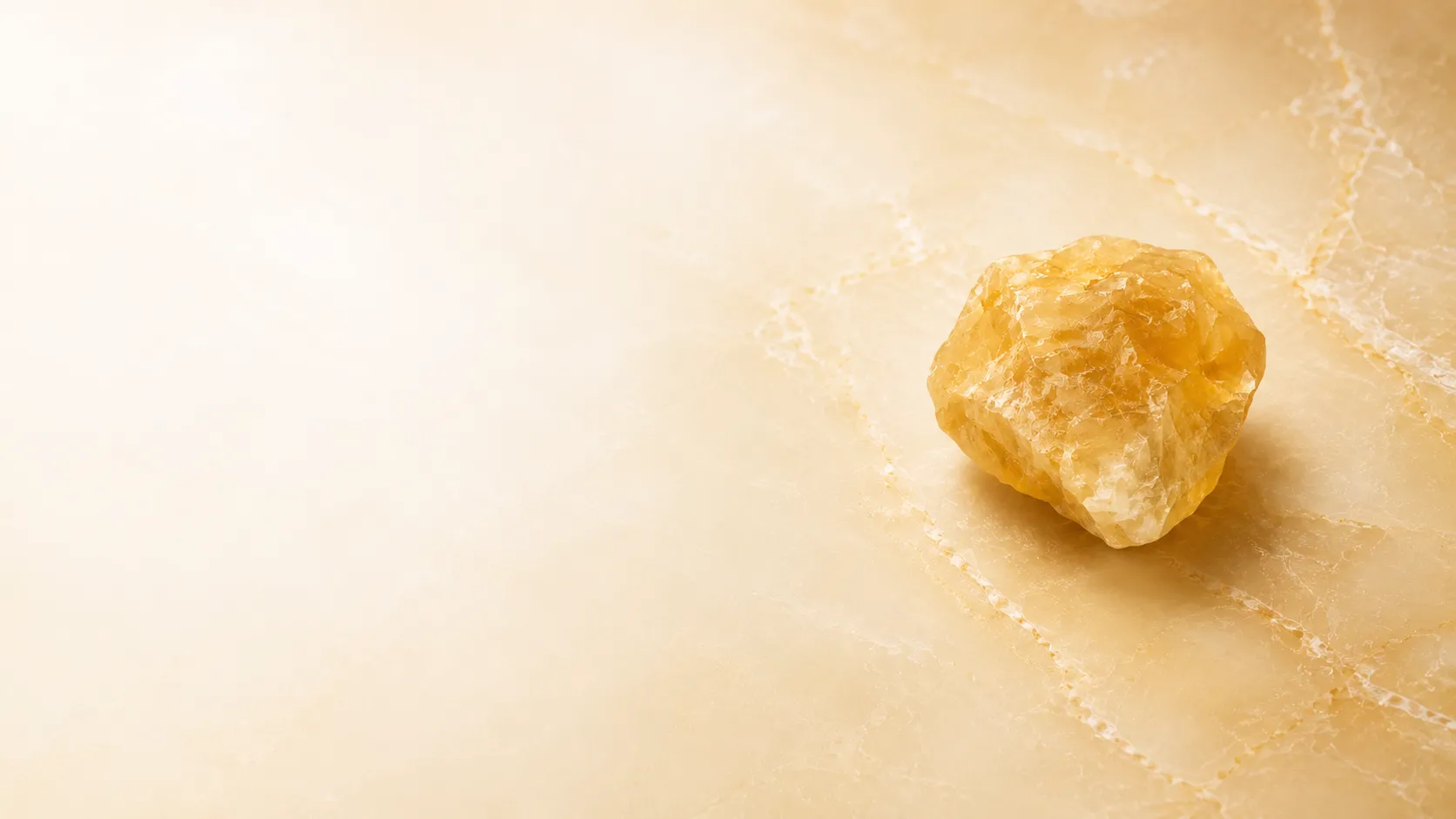
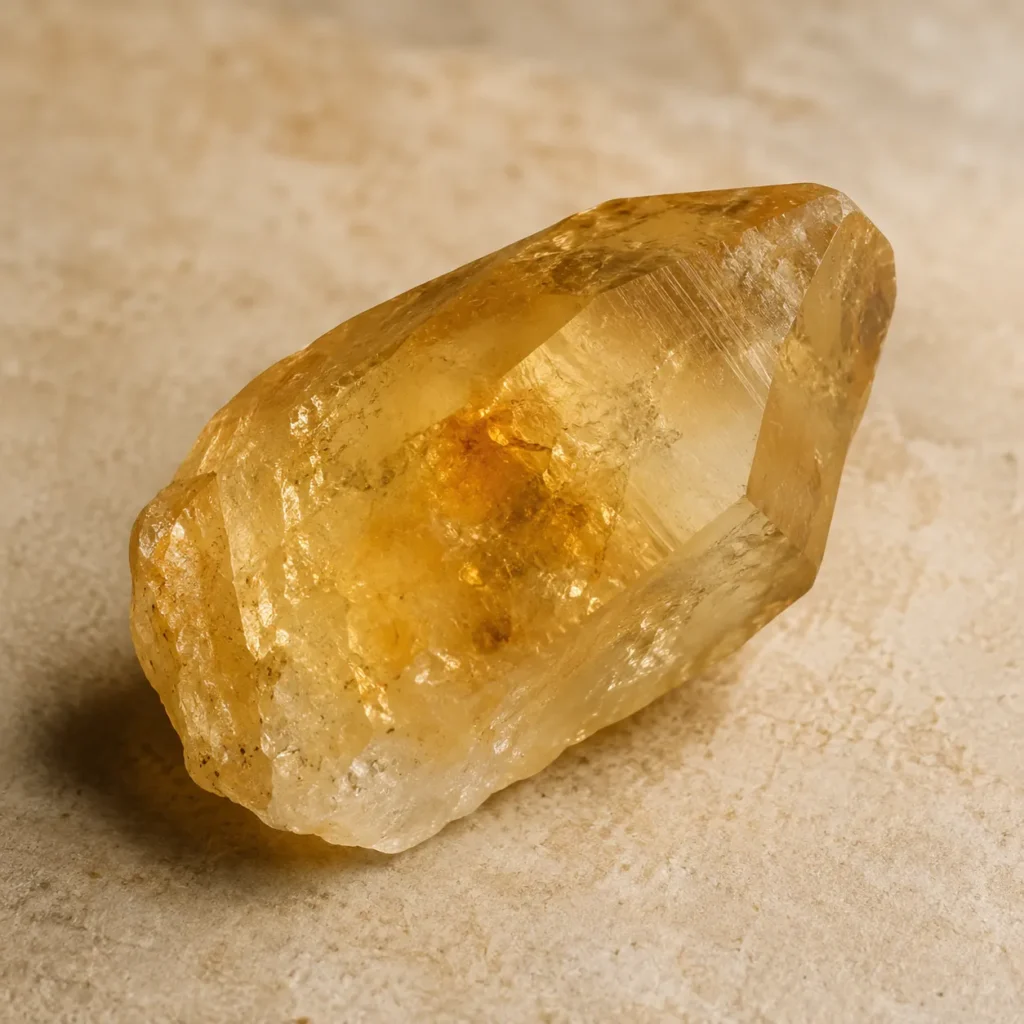
Citrine is a yellow to orange quartz variety. Natural citrine exists, but much commercial citrine is produced by heating amethyst or smoky quartz. Both natural and treated citrine can be attractive in jewelry, with colors ranging from pale lemon yellow to golden, honey and deeper orange tones.
Citrine is the yellow to orange variety of quartz. Its color can range from pale lemon yellow to golden, honey, amber and deeper orange tones.
Citrine belongs to the quartz family and has a Mohs hardness of 7, which makes it suitable for many jewelry types. It is durable enough for regular wear, but like other quartz stones, it should still be protected from hard knocks, abrasion and harsh cleaning.
Natural citrine exists, but a large amount of citrine in the jewelry market is produced by heating amethyst or smoky quartz. Heat treatment can create warm yellow, orange, honey or brownish tones. These stones can still be beautiful and wearable, especially in jewelry that highlights golden color and warm light.
Meaning & Symbolism
What Citrine Symbolizes
Citrine is traditionally associated with joy, abundance, warmth, confidence and positive energy. Its golden color gives jewelry a bright, optimistic and expressive character without needing a heavy or overly formal design.
In jewelry, citrine can feel sunny, modern, vintage-inspired or artistic depending on the cut, metal and setting. Pale yellow stones create a softer impression, while deeper golden or orange stones feel warmer and more statement-like.
These meanings are symbolic and cultural associations, not promises of physical, medical or guaranteed effects.
Material variations
Citrine Varieties
Natural Citrine
Natural citrine is yellow to orange quartz that forms with its color naturally. It is less common than treated citrine and can vary from pale yellow to warmer golden tones.
Heat-Treated Citrine
Much commercial citrine is produced by heating amethyst or smoky quartz. The result can be yellow, golden, orange, honey or brownish quartz. This material is common in jewelry and is valued for its warm color, accessible beauty and bright gemstone effect.
Lemon Citrine
Lemon citrine is commonly used for lighter, brighter yellow citrine tones. It works well in delicate jewelry and designs where the stone should feel fresh, luminous and not too heavy.
Golden Citrine
Golden citrine has a warmer yellow to honey-like color. It gives jewelry a classic sunny appearance and pairs well with both silver and gold-tone settings.
Madeira Citrine
Madeira citrine is commonly used to describe a deeper orange to reddish-orange citrine color range. It has a richer, warmer and more dramatic appearance than pale yellow citrine.
Smoky Citrine
Smoky citrine shows yellow or golden color mixed with smoky brown tones. It can create a more earthy, autumnal and mineral-like jewelry character.
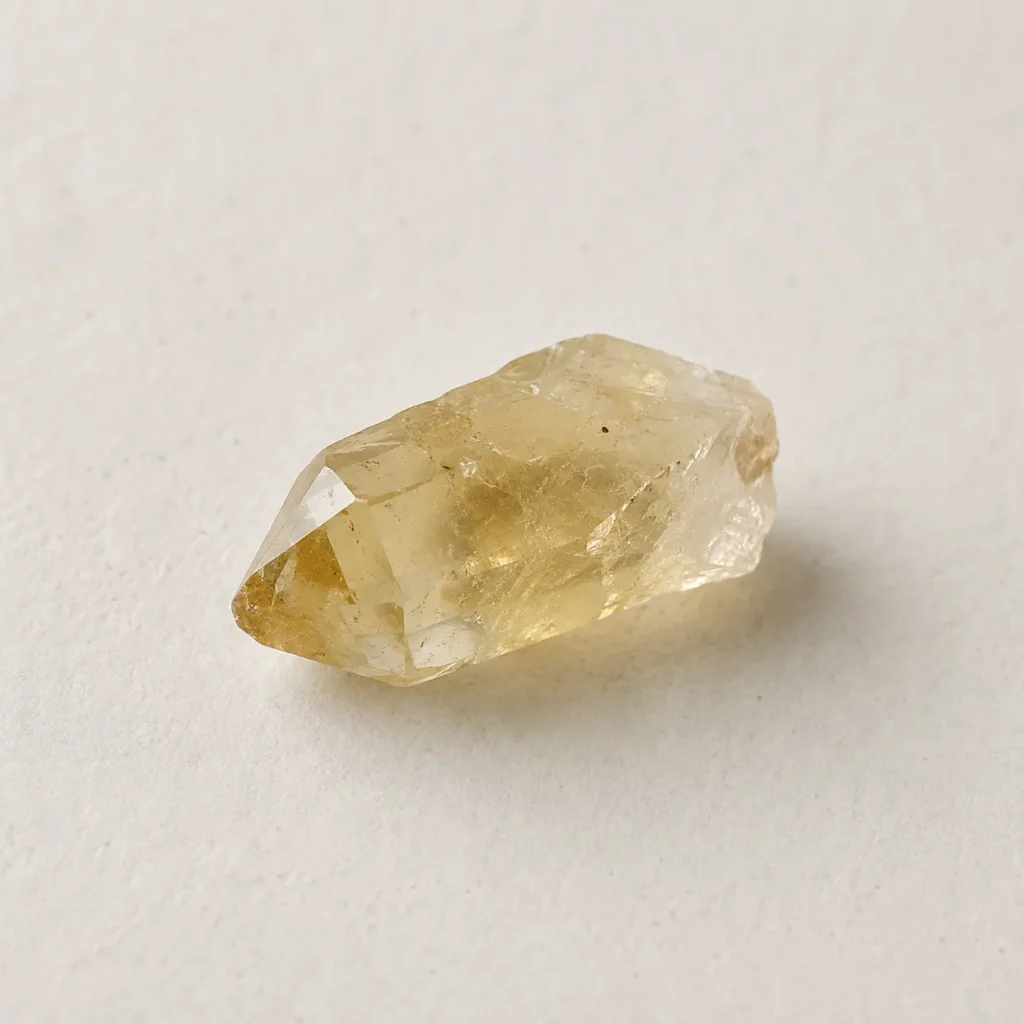
Natural Citrine
Yellow to orange quartz with naturally formed color, less common than treated citrine.
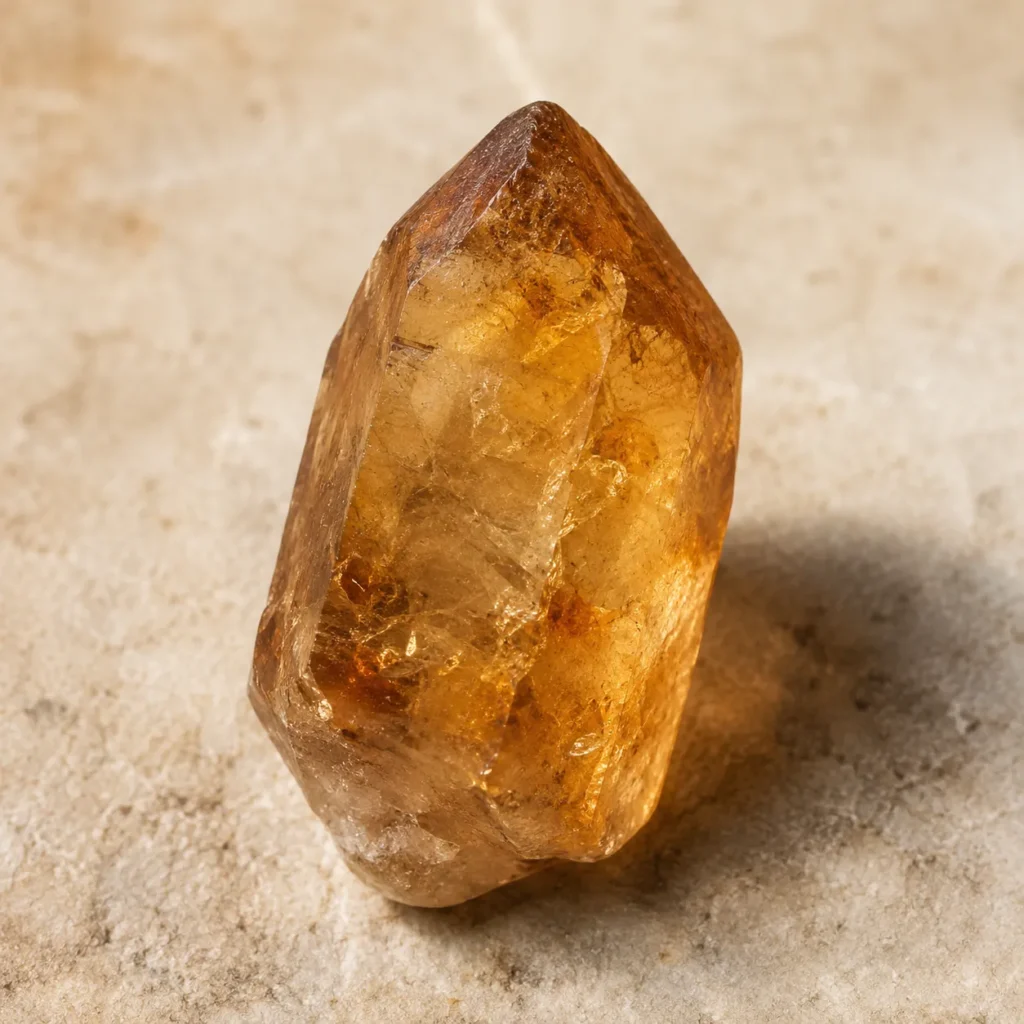
Heat-Treated Citrine
Common jewelry citrine produced by heating amethyst or smoky quartz to create warm yellow or orange tones.
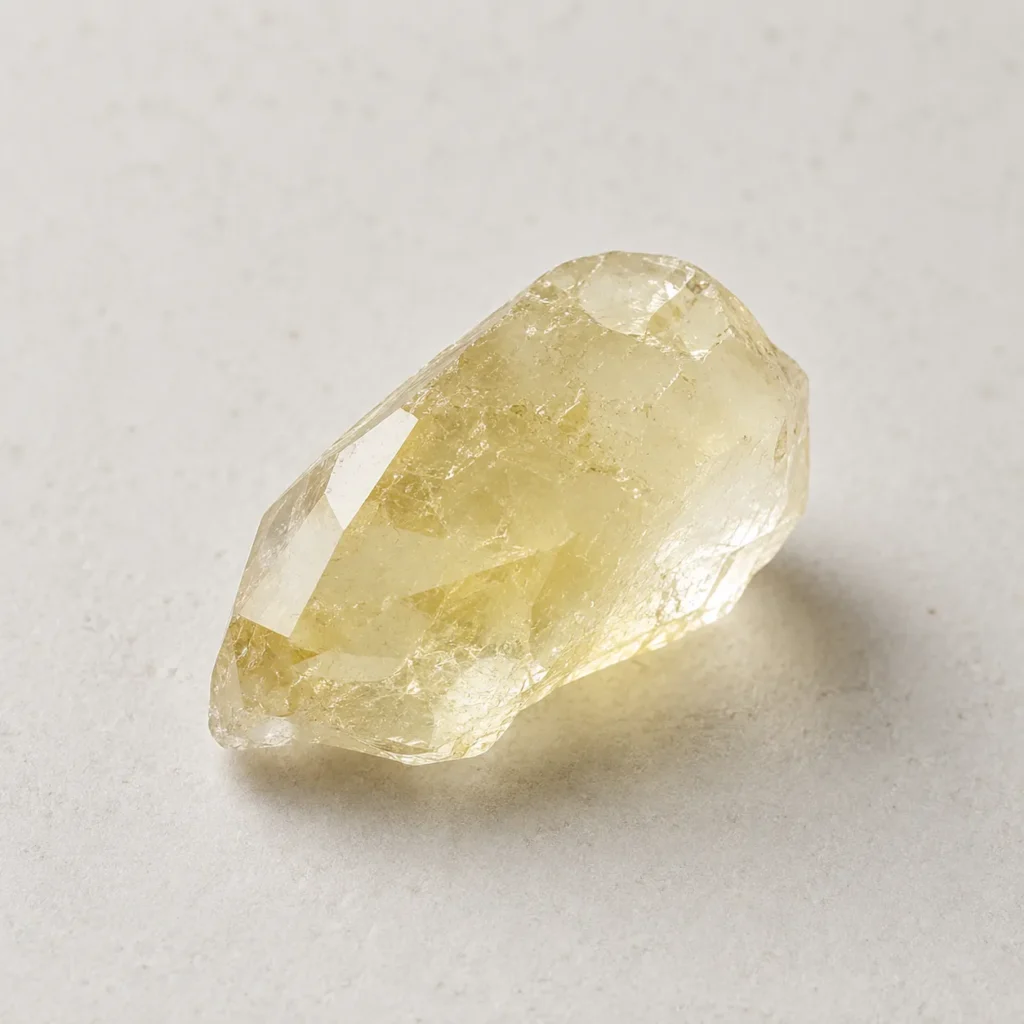
Lemon Citrine
A lighter, brighter yellow citrine tone with a fresh and luminous appearance.
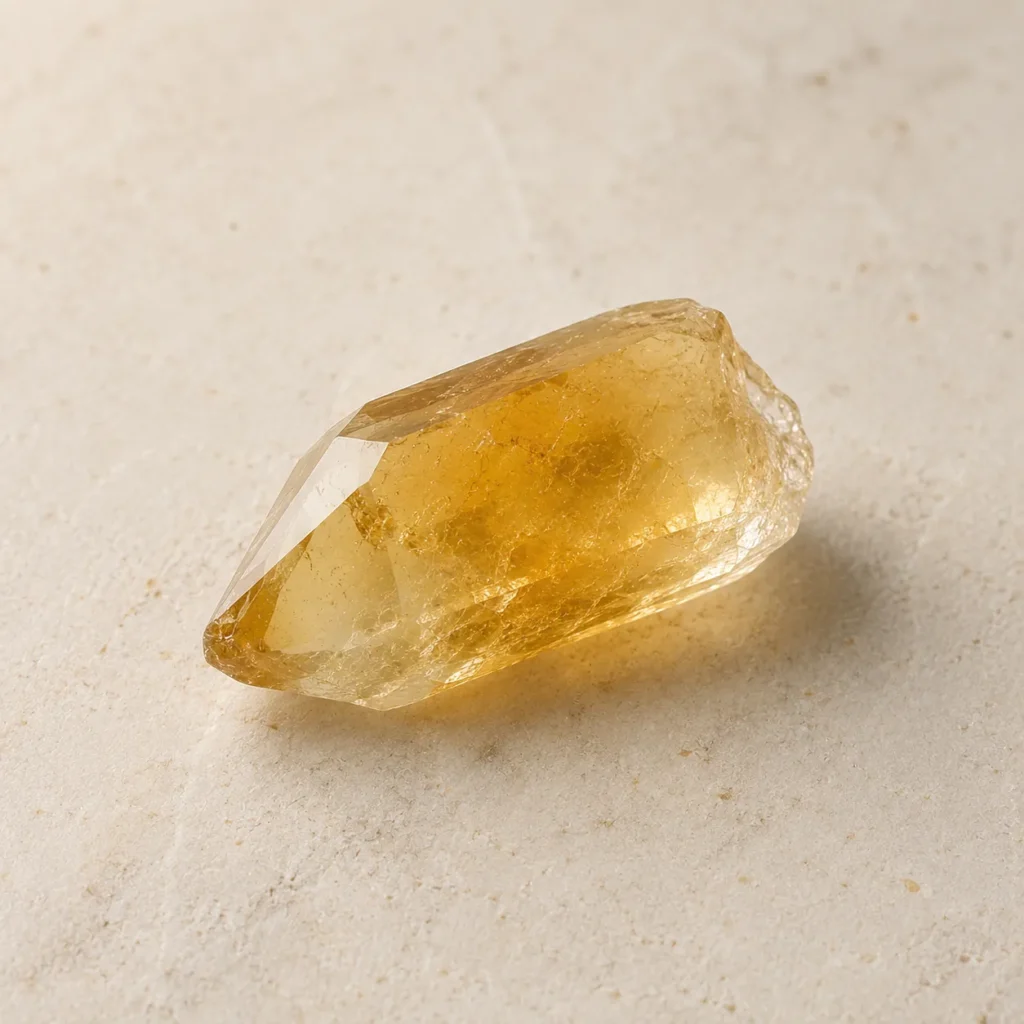
Golden Citrine
Warm yellow to honey-like citrine with a classic sunny jewelry character.
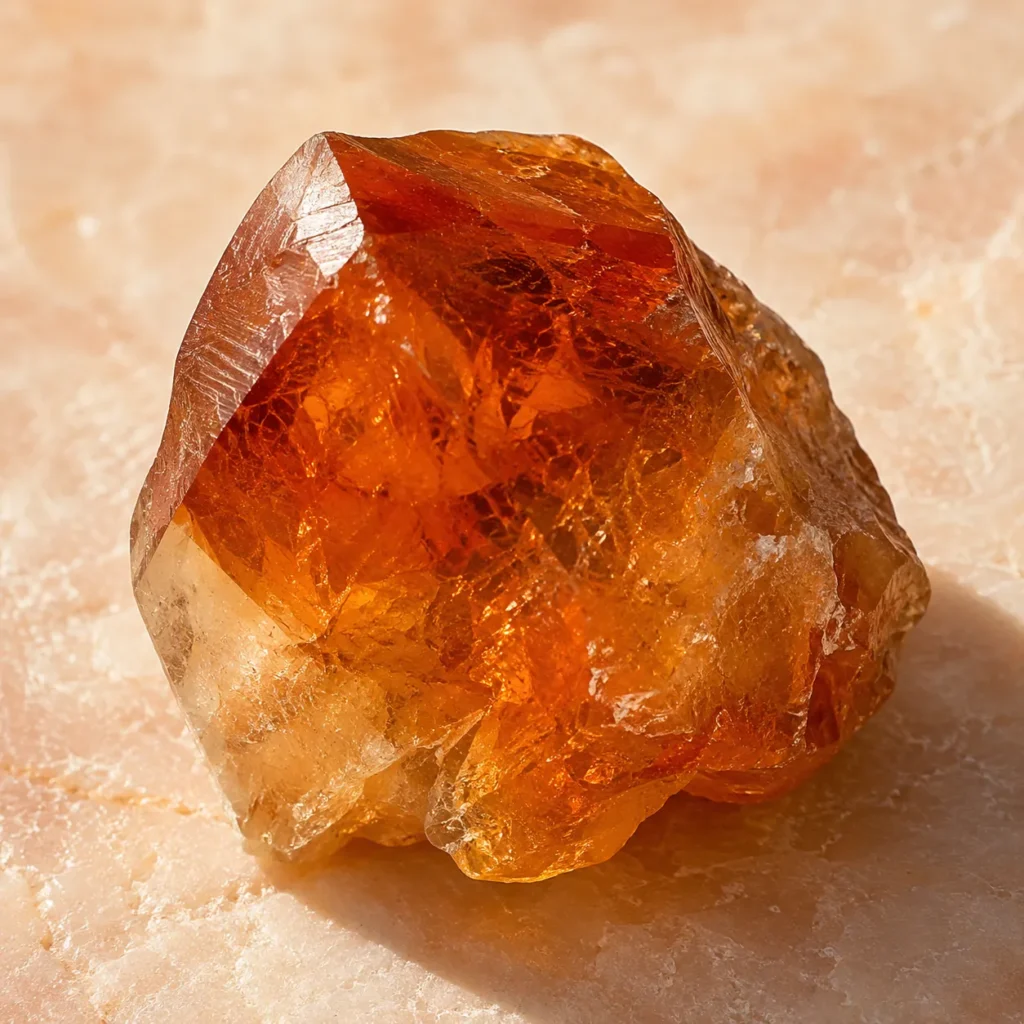
Madeira Citrine
A deeper orange to reddish-orange citrine color range with a richer visual effect.
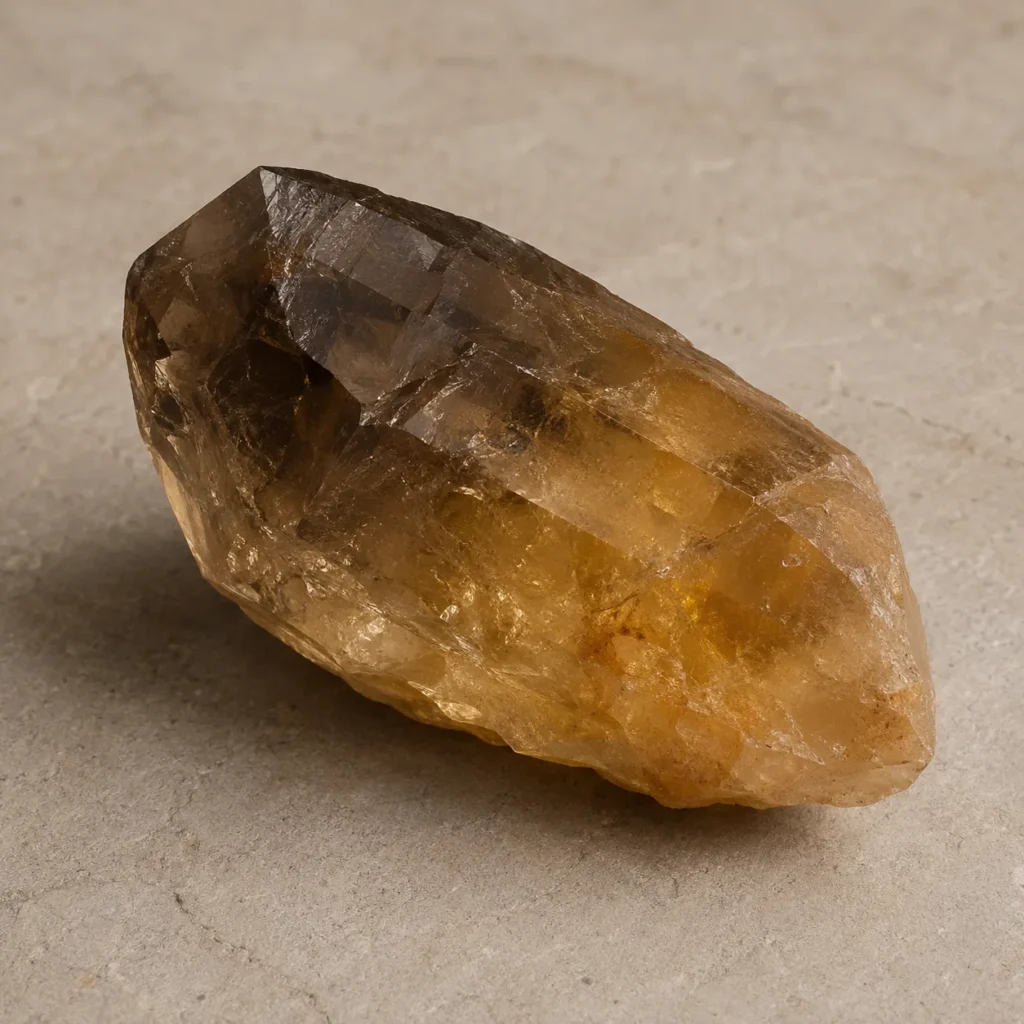
Smoky Citrine
Citrine with smoky brownish tones, giving jewelry a warmer and more earthy character.
Durability
Durability & Wearability
Citrine has a Mohs hardness of 7, which makes it practical for many jewelry styles, including rings, earrings, necklaces, pendants and bracelets. It is harder than pearl, opal and turquoise, but softer than sapphire, ruby and diamond.
For everyday jewelry, citrine is generally wearable when the setting protects the stone from hard knocks and abrasion. Rings and bracelets need more care because they are exposed to more contact with hard surfaces, while earrings and pendants are usually easier to protect.
The main practical concern with citrine is color stability and treatment awareness. Prolonged strong sunlight, high heat and aggressive cleaning methods should be avoided, especially when the stone has been treated or set with more delicate materials.
Citrine is generally durable for jewelry, but prolonged strong sunlight, high heat, harsh chemicals and aggressive cleaning methods should be avoided, especially for treated stones or mixed-material designs.
Care guide
How to Care for Citrine Jewelry
Clean citrine jewelry with mild soap, lukewarm water and a soft cloth or soft brush. Rinse carefully and dry the piece fully before storing it.
Avoid prolonged exposure to strong sunlight or high heat. These conditions can affect some quartz colors, especially treated material or stones with more delicate color stability.
Do not use harsh chemicals, bleach or aggressive jewelry cleaners. These can damage metal settings, coatings or other materials in the piece, even when the citrine itself is relatively durable.
Ultrasonic and steam cleaning should be avoided unless the stone is known to be stable, untreated and free from fractures or delicate settings. For mixed-material jewelry, use the safest cleaning method for the most delicate component.
Store citrine separately from harder gemstones such as sapphire, ruby and diamond to reduce the risk of scratches.
In jewelry
Jewelry with Citrine
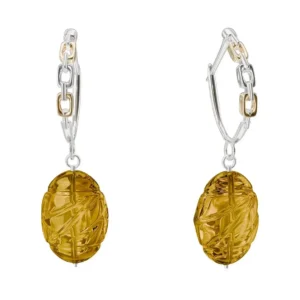
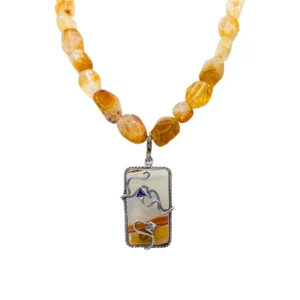
Citrine works beautifully in jewelry that needs warmth, brightness and a golden color accent. It can make a piece feel sunny, expressive, vintage-inspired or modern depending on the cut, metal and setting.
In our jewelry, citrine is best treated as a color-focused stone with warm symbolism and everyday appeal. It pairs well with silver, gold tones and mixed gemstone compositions, especially when the design lets the yellow or golden color remain visible.
Explore handmade citrine jewelry created to highlight golden color, bright symbolism and warm gemstone character.
-
 Select US sizeQuick add This product has multiple variants. The options may be chosen on the product page