

Zultanite Jewelry
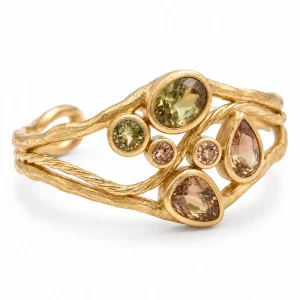
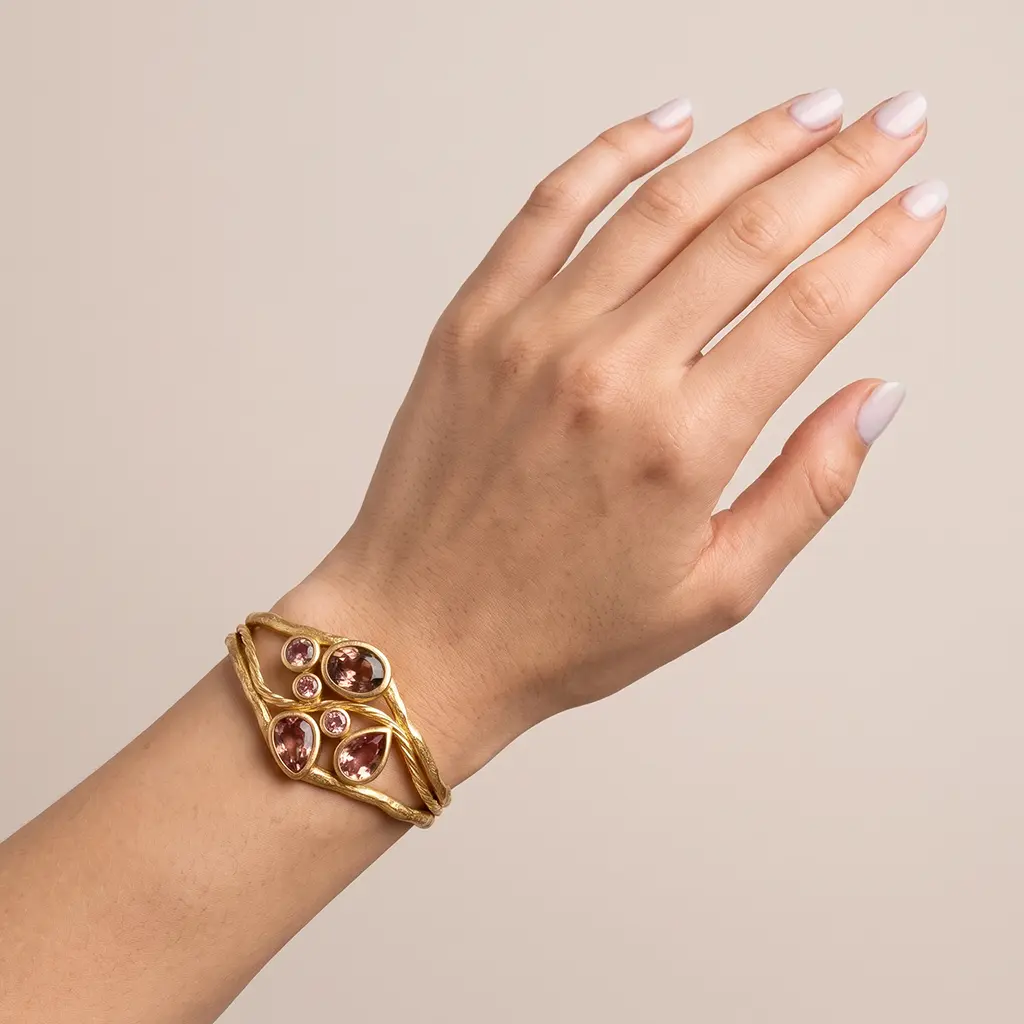
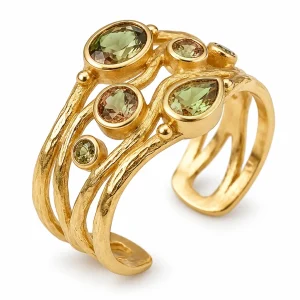
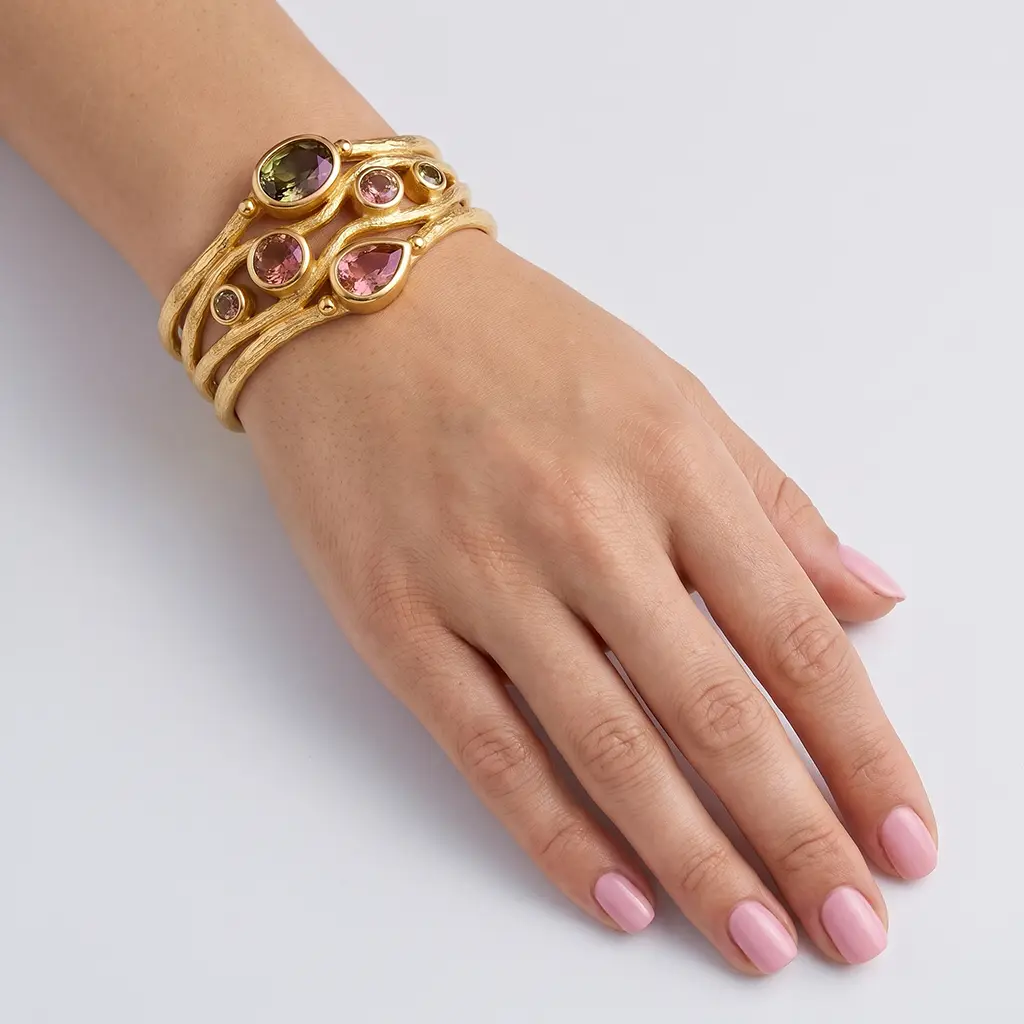
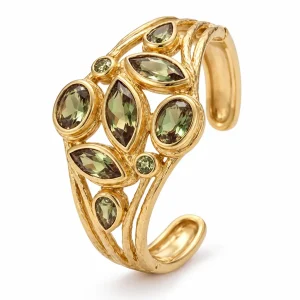
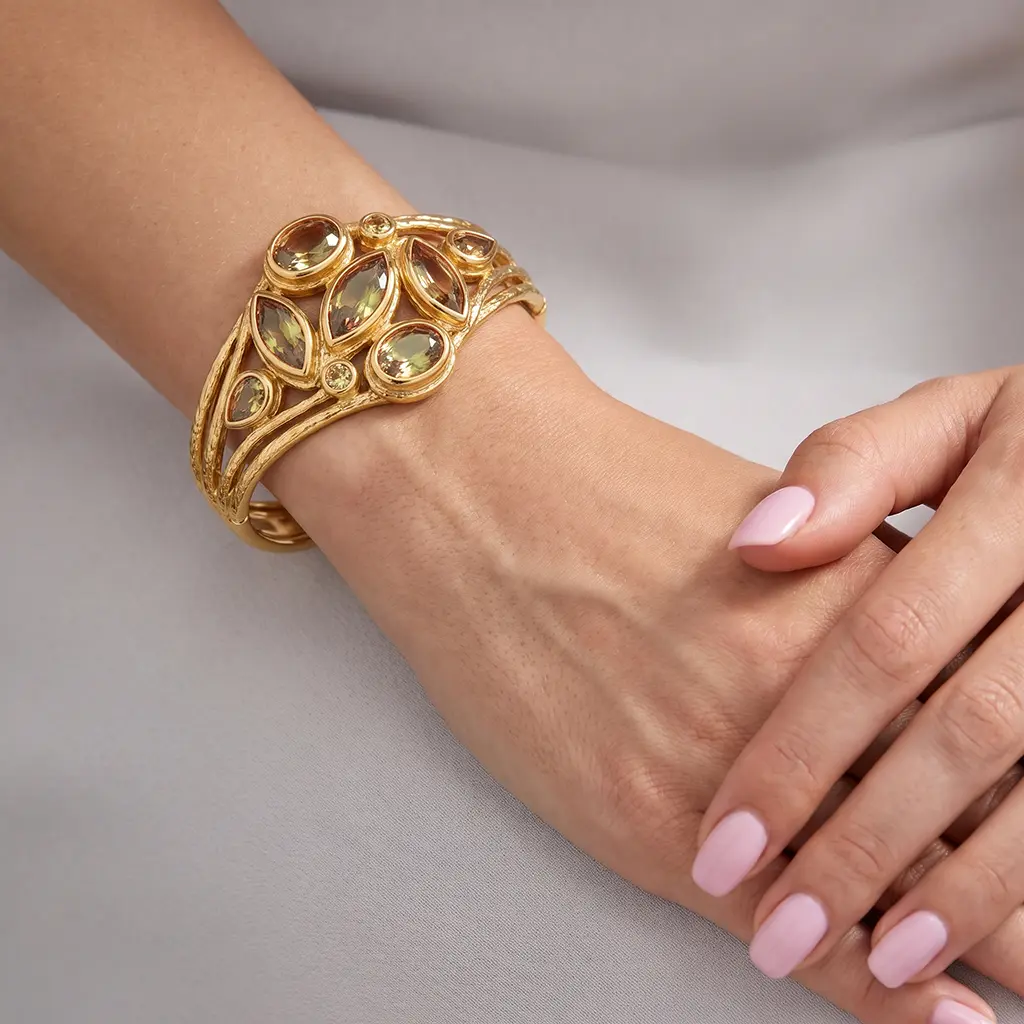
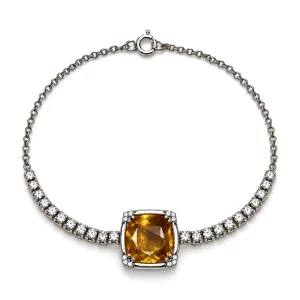
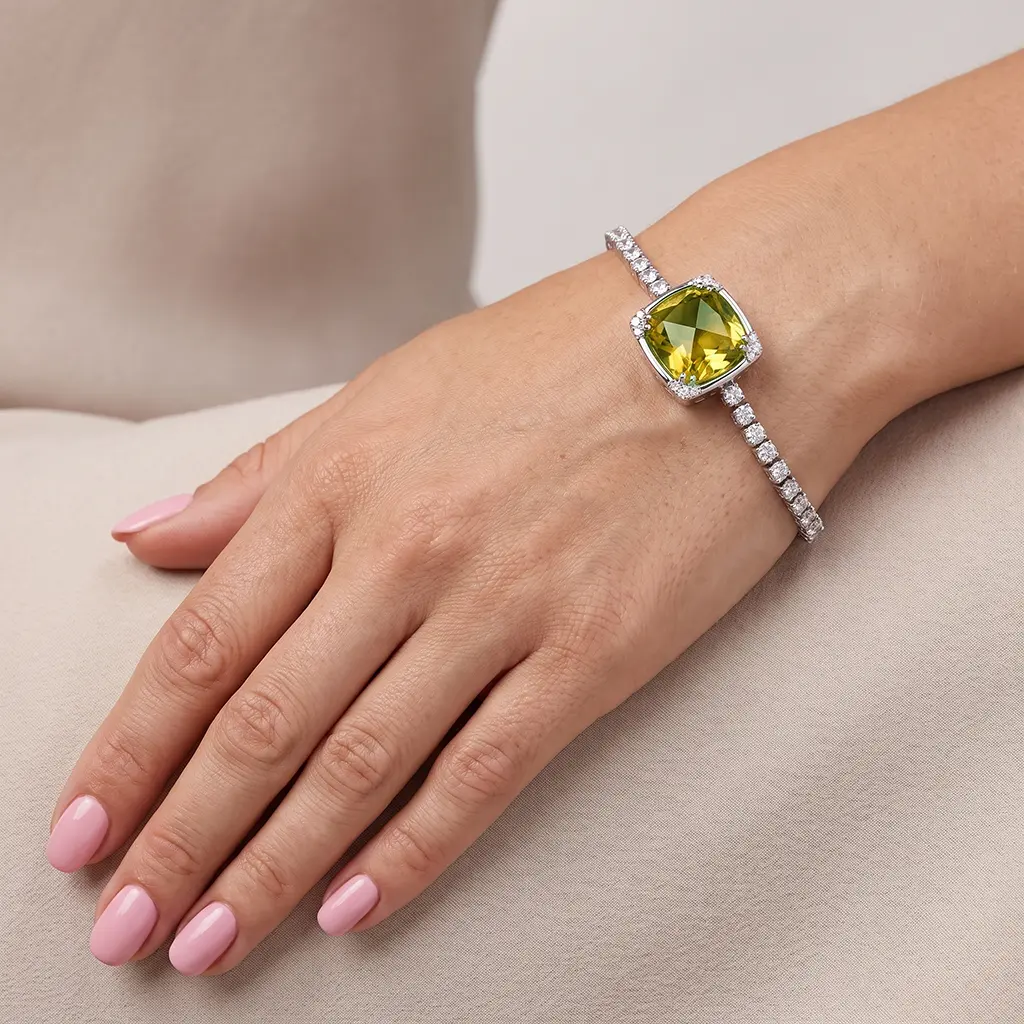
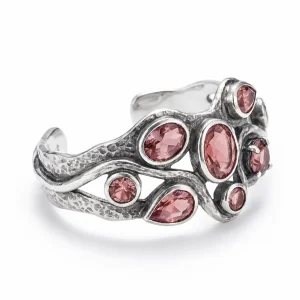
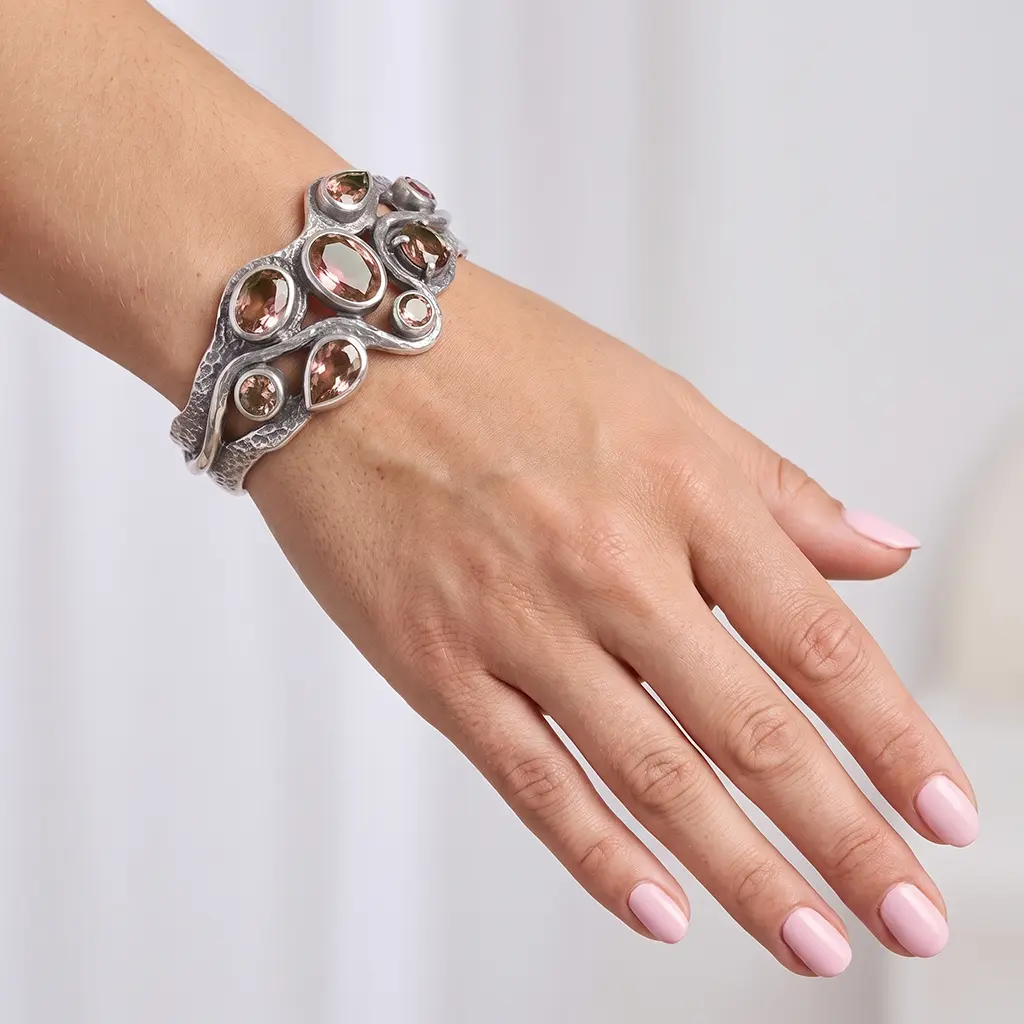
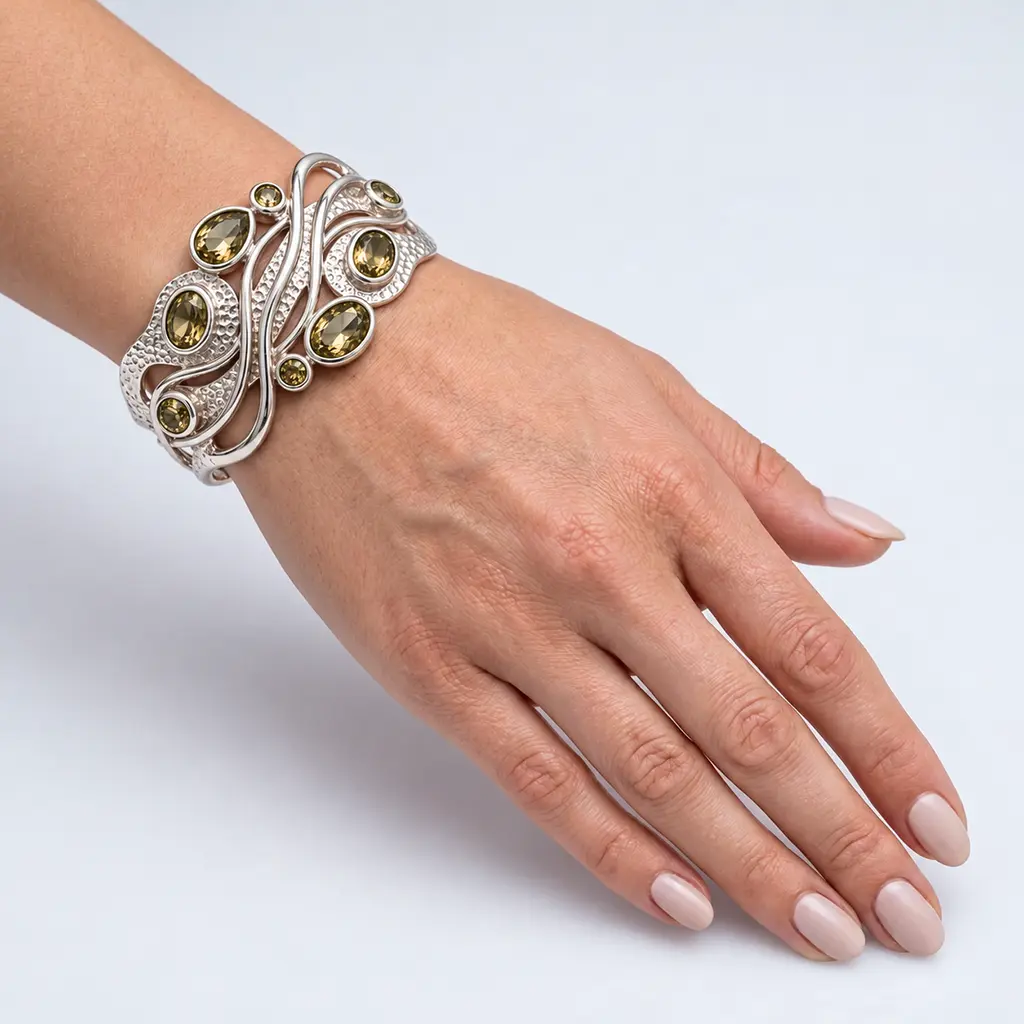
Zultanite jewelry takes its look from the zultanite stone, whose color depends on the light around it. By a window the stones here lean yellow-green and olive; under a lamp they warm to honey, champagne and raspberry pink. This zultanite color change follows the source of light, so a cuff that looks green at a sunny desk turns pinkish brown at dinner. Gem-quality color-change diaspore, the mineral behind the name, comes from one area, the İlbir Mountains of southwestern Turkey, and is also traded as Csarite; many sellers spell it sultanite. The zultanite in these pieces is lab-grown, or synthetic zultanite. Lab grown jewelry usually means diamonds; this is lab-grown jewelry built on color, and the zultanite gemstone guide compares the natural and the lab-grown stone.
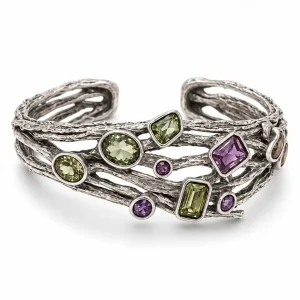
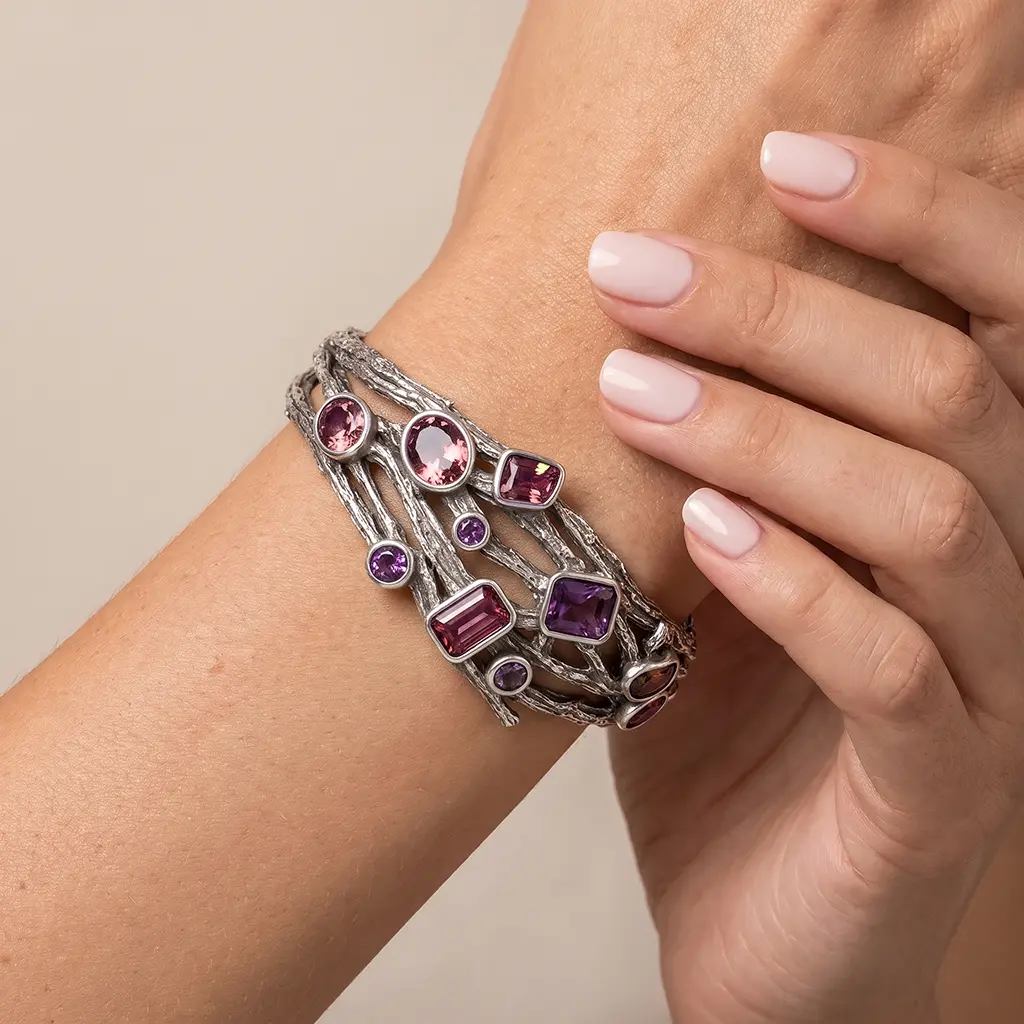
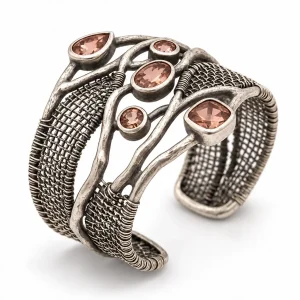
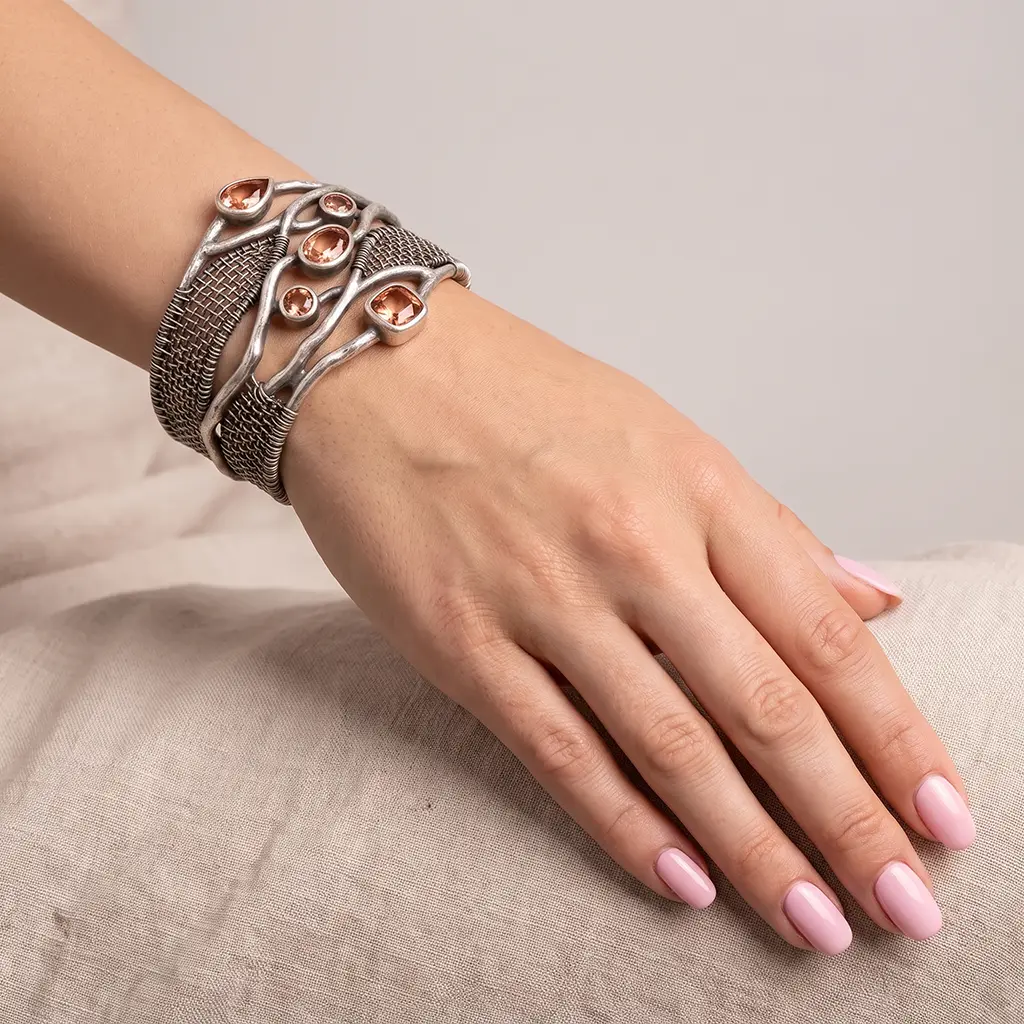
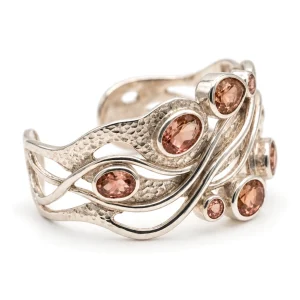
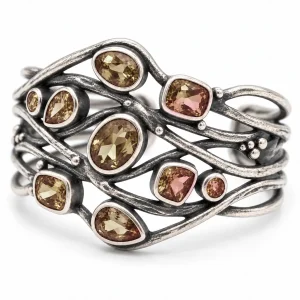
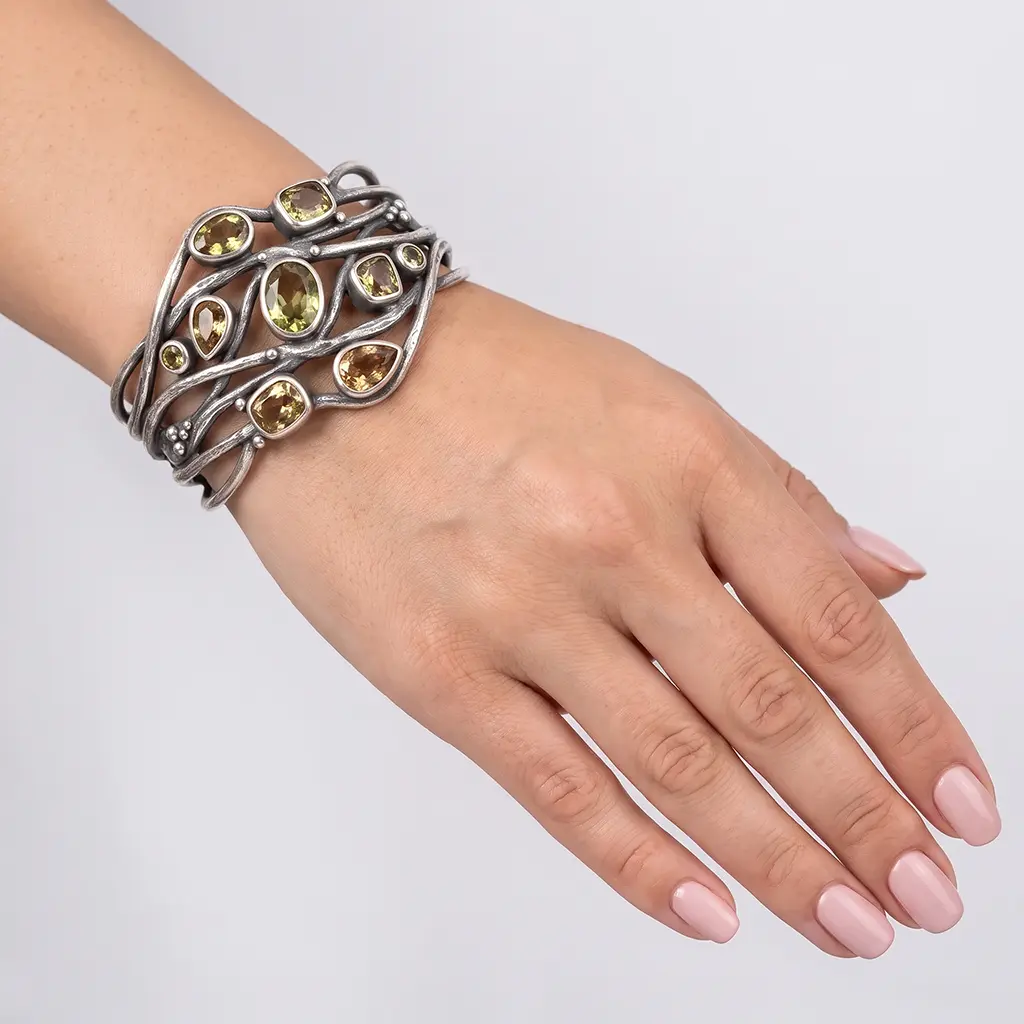
The most zultanite sits on wide open cuffs, such as openwork rows of silver branches with granules at the joins or twisted 14K yellow gold wires parting around a cluster of stones; a cuff fits most wrists in one size. A slimmer choice is a tennis bracelet of small pear-cut stones in gold-plated silver. All of them are among the zultanite bracelets.
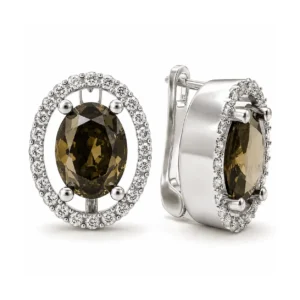
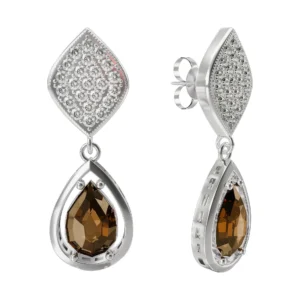
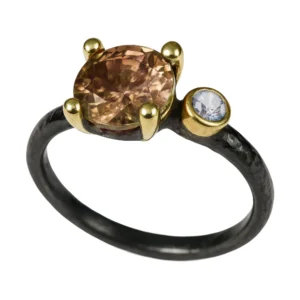
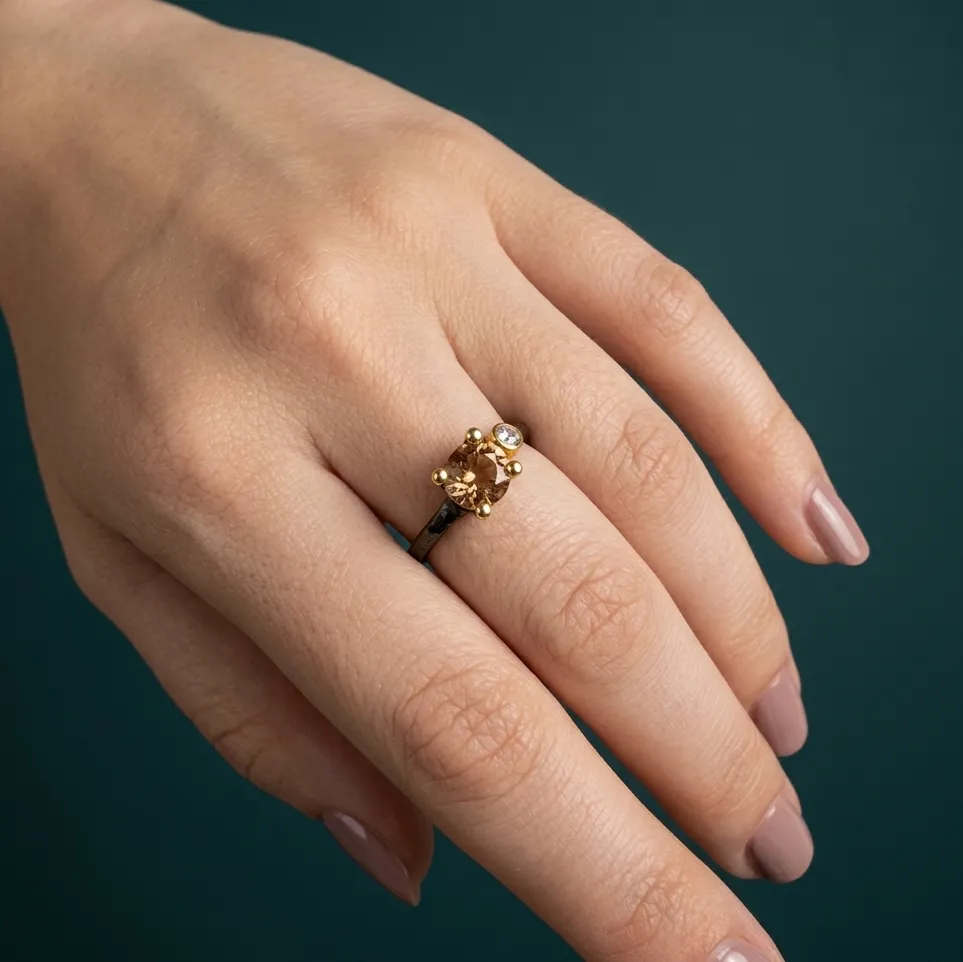
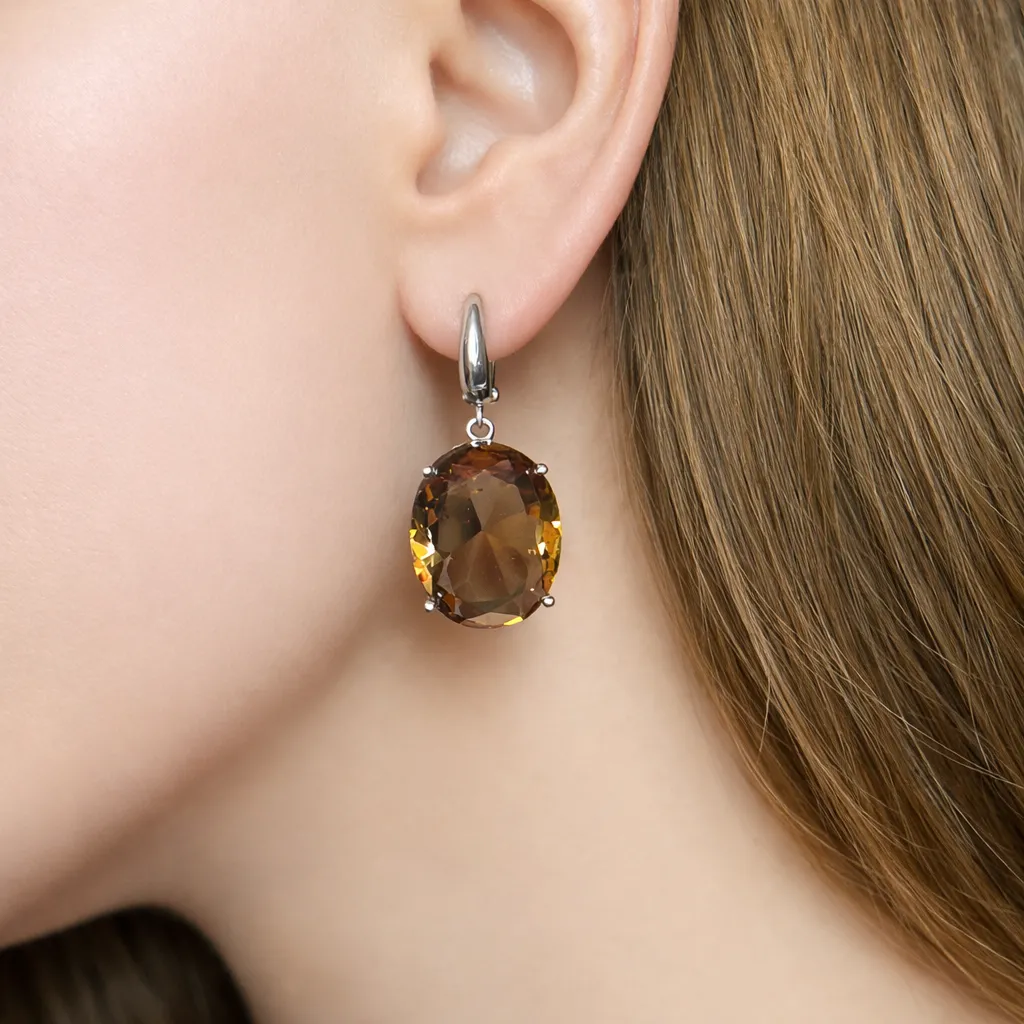
Classic pieces, mostly polished rhodium-plated 925 silver, include pendants shaped as a pear, a pentagon or a starburst, halo earrings and teardrop drops. Many frame the zultanite with natural zircon, which stays colorless in any light, so the white edge holds while the center changes. No chain comes with the zultanite pendants. Rings often hold the stone in gold-plated prongs on oxidized black silver.
We couldn’t find a match
Try a different stone or material — you’ll see results instantly.
Collections evolve — new combinations appear regularly.
You may also like
Explore close matches — same category, different stone/material.